


Lower Back Support Brace for Lumbar & Sciatica Pain Relief | AlignaFit™ Australia
Lower Back Support Brace for Lumbar & Sciatica Pain Relief | AlignaFit™ Australia
BUNDLE & SAVE
Couldn't load pickup availability
✓ Australian Owned 🇦🇺
✓ Risk-Free Purchase
✓ 100% Satisfaction Guaranteed
30-day comfort guarantee. If it doesn't work for you, send it back — no questions asked.
-
Ordered
- - -
Processed same day
- - -
Delivered

Lower Back Support Brace for Lumbar & Sciatica Pain Relief | AlignaFit™ Australia
The AlignaFit Lower Back Brace is built for people whose lower back isn't just sore at the end of a long day, it's sore every day. Whether yours comes from sitting at a desk, lifting on a job site, or years of wear and tear, it's designed to give you real support without the bulk of a medical-grade brace or the uselessness of a stretchy belt.
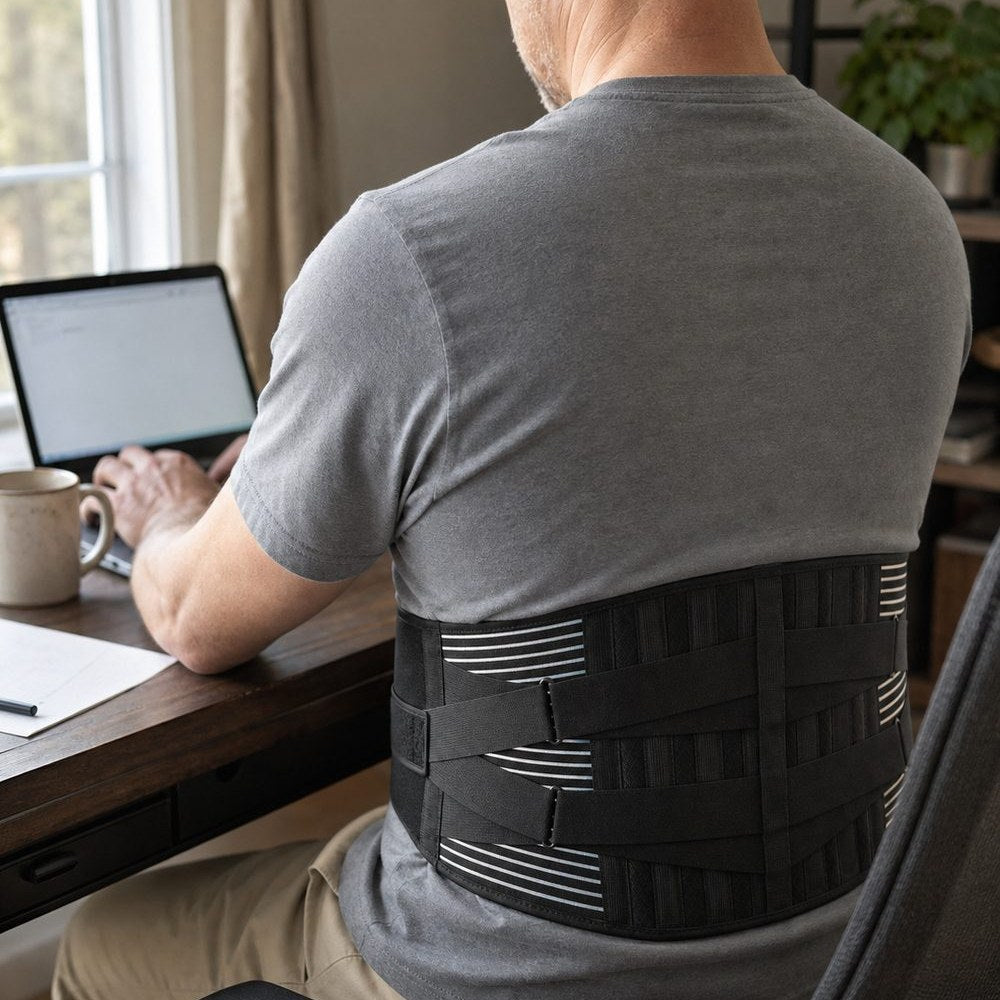
Most lumbar braces fail in one of two ways. The cheap elastic ones just squeeze your waist. There's no structure, so nothing actually holds your spine in position. The rigid ones do hold you, but they're so bulky and restrictive that people stop wearing them by week two. The AlignaFit brace sits between the two: four flexible vertical stays hold your lumbar spine in a neutral position, while a dual-strap system lets you dial the compression up or down, so you can wear it through a full workday and actually keep wearing it.
Why customers choose the AlignaFit Lower Back Brace
- Four flexible vertical stays. These hold your lumbar spine neutral without locking you up. Most $20 braces don't have them, that's the difference between support and a tight belt.
- Dual-strap compression. A primary belt for stability plus a secondary tension strap, so you set exactly how much compression you need for the task.
- Built around established lumbar support principles. Targeted compression during demanding activity, adjustable tension, and a neutral-spine profile rather than rigid immobilisation.
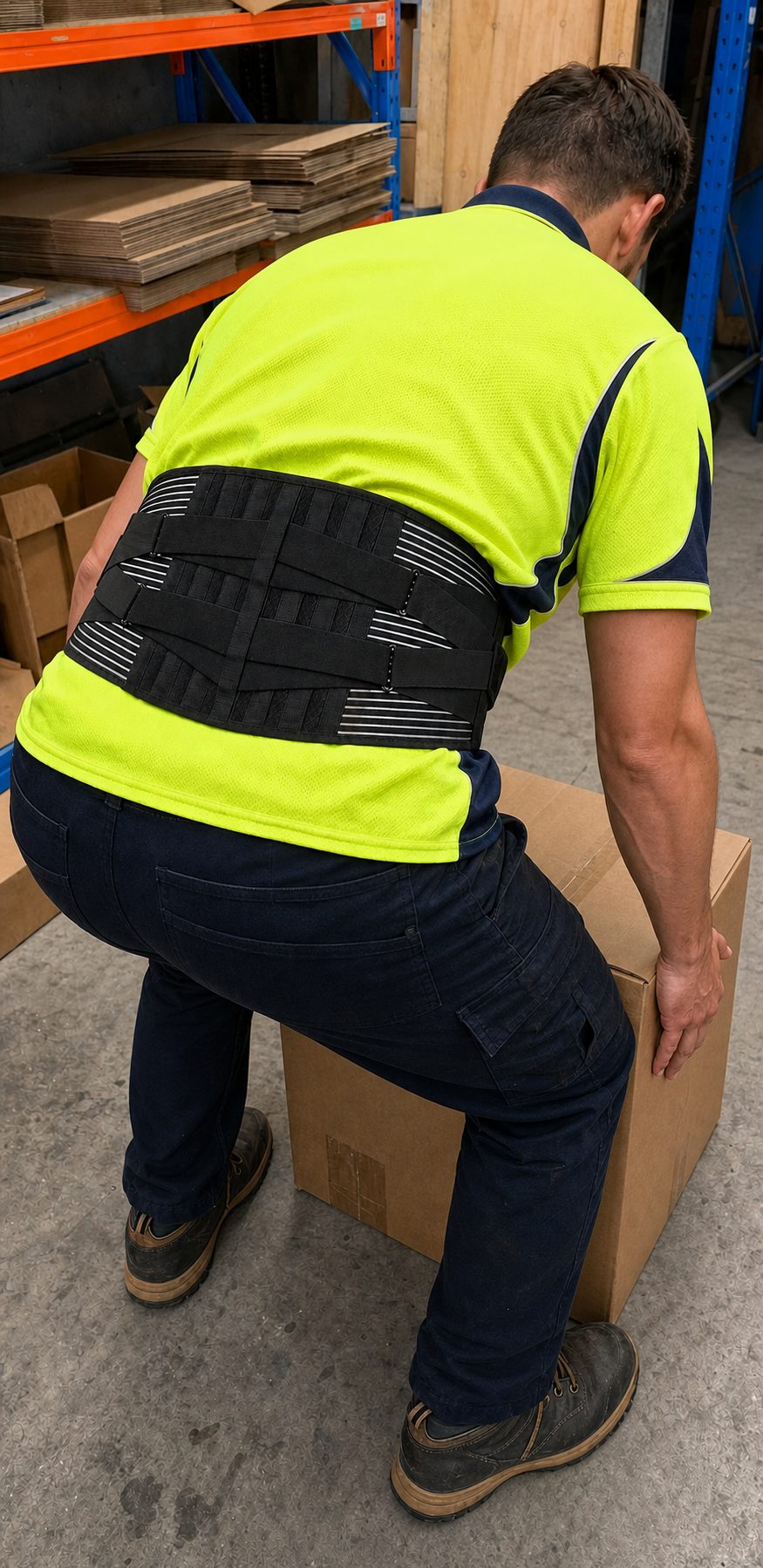
- Support without dependence. Designed for wear through a full workday when your back needs it (lifting, long drives, desk blocks). Your core still does its job.
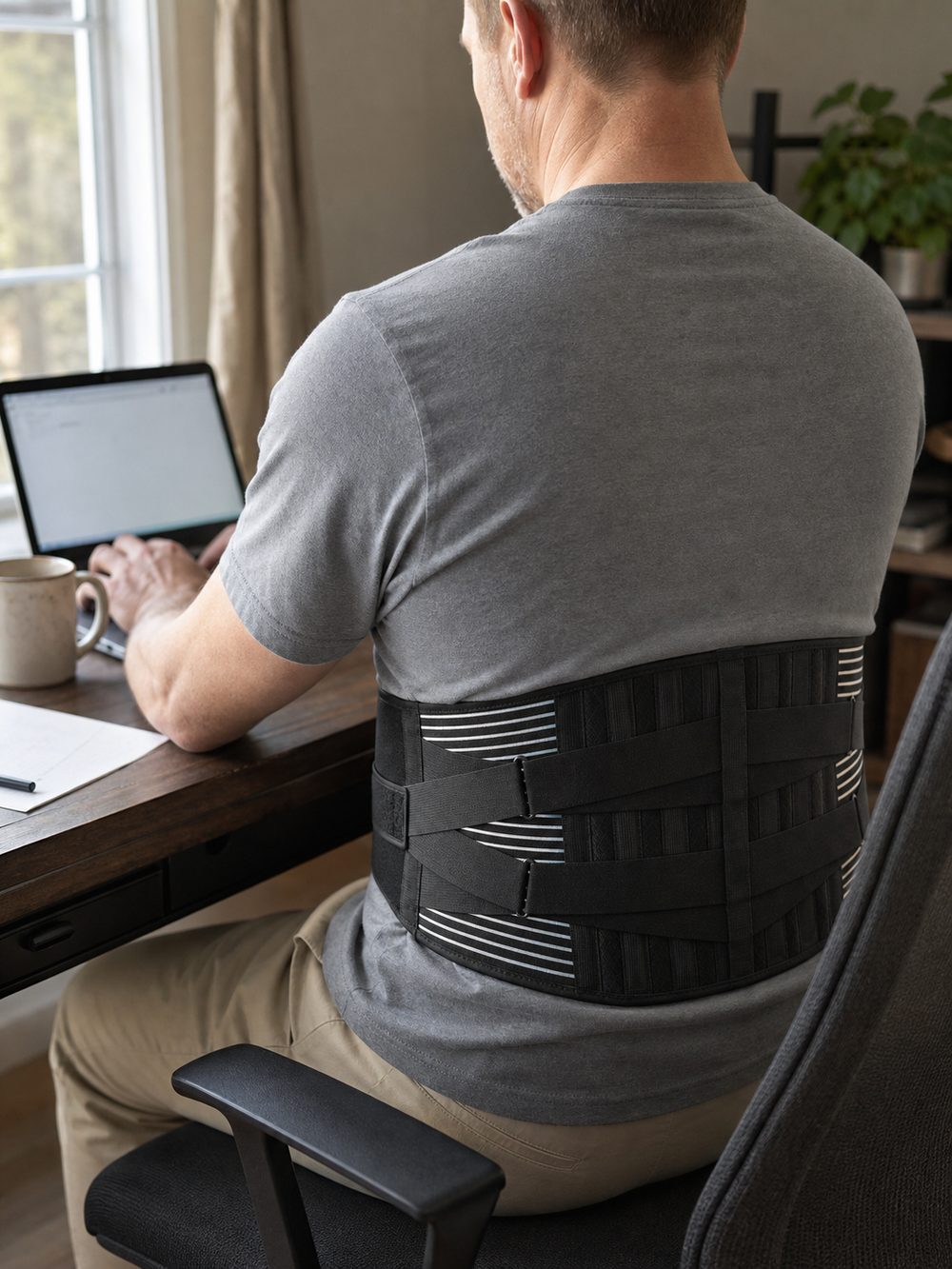
- Slim enough for daily wear. Breathable and low-profile enough to sit under a shirt or polo, because a brace in the drawer does nothing.
- Sizes S to XXL. Adjustable to fit waists from 60cm to 170cm.
Many customers find noticeable relief during the first week of consistent wear, particularly with post-sitting stiffness and end-of-day soreness. Individual results depend on the underlying cause. Used well, the goal isn't a brace you wear forever, it's support through the rough patches while you build the strength that means you reach for it less. If your back pain is severe, persistent, or you're unsure what's causing it, please see a physio or your GP.
Further reading: our guide to lower back pain relief and how to fix anterior pelvic tilt.
What's included: 1× AlignaFit Lower Back Brace with adjustable dual-strap system, vertical stays, fit guide.
Trusted by 5,000+ Australians. Free AU shipping. 30-day comfort guarantee.
Lower back pain often pairs with poor upper back posture, see the AlignaFit posture corrector.


Size Guide
| Size | Belt Length(in / cm) | Waist Size(in / cm) |
|---|---|---|
| S | 35.83 in91 cm | 23.6–29.5 in60–75 cm |
| M | 39.37 in100 cm | 29.5–37.4 in75–95 cm |
| L | 43.31 in110 cm | 37.4–45.3 in95–115 cm |
| XL | 50.39 in128 cm | 45.3–55.1 in115–140 cm |
| XXL | 57.28 in145.5 cm | 55.1–66.9 in140–170 cm |
See Our Product In Action
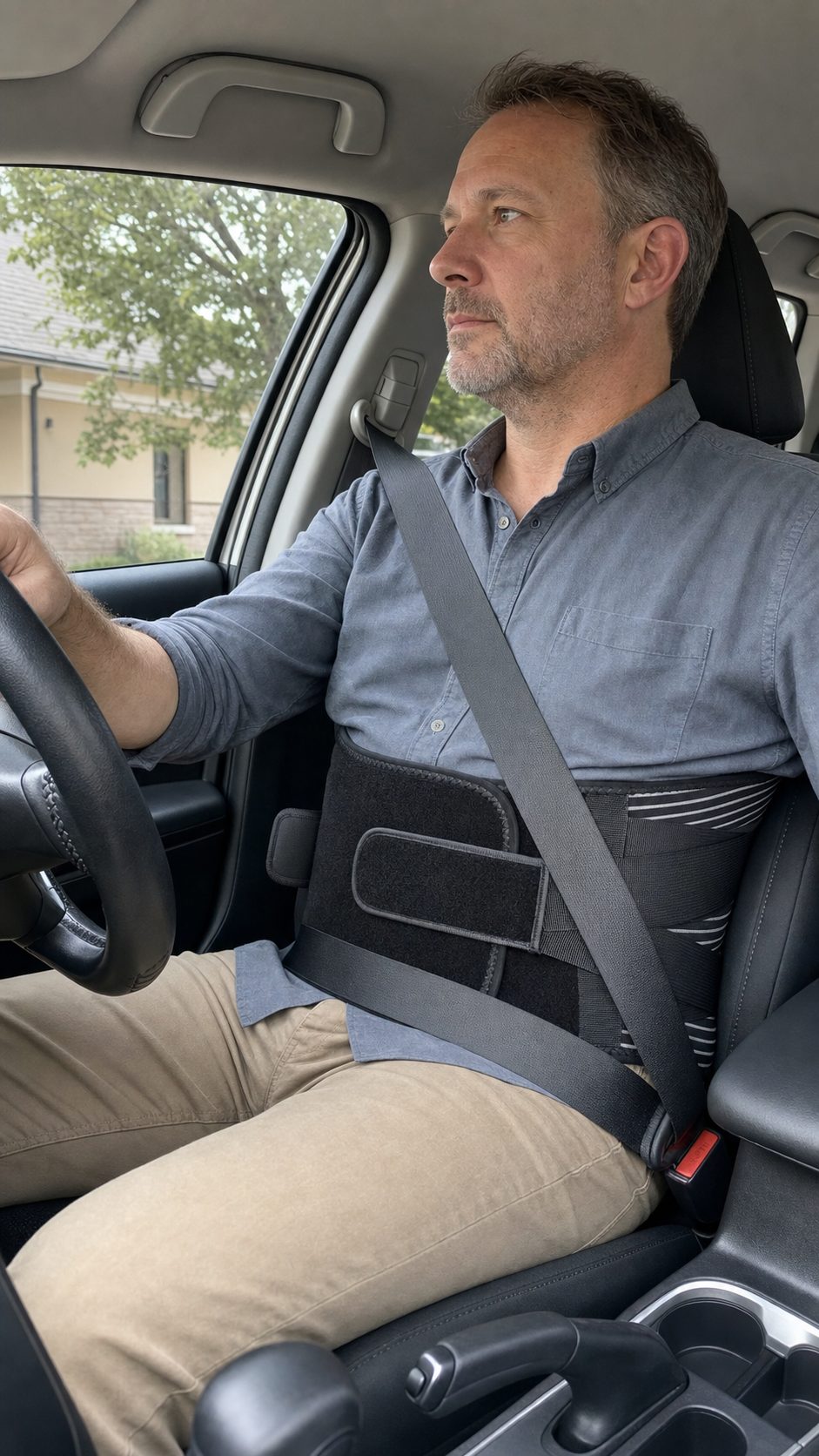
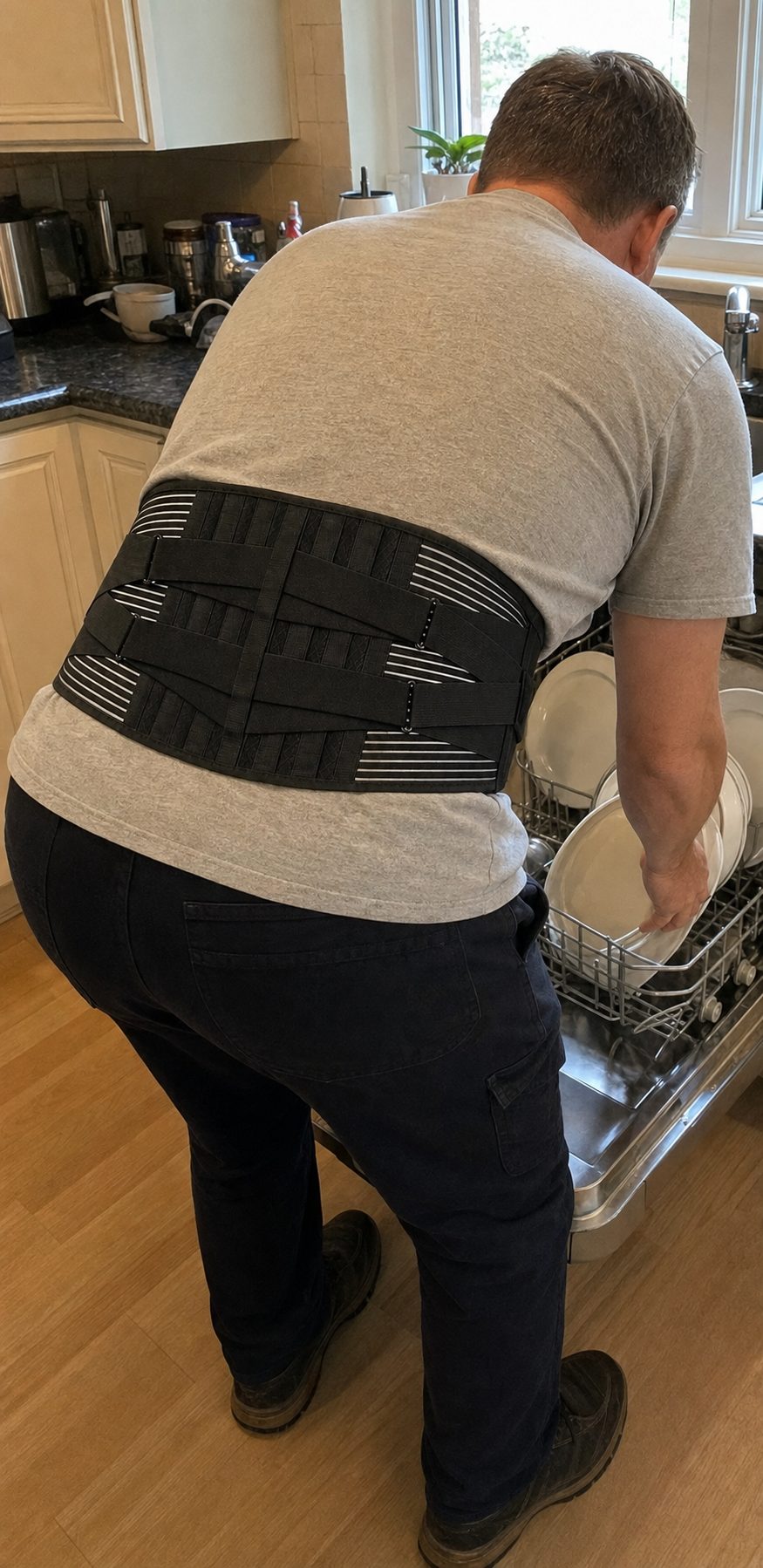
Sore by the End of Every Day?
Cheap elastic belts just squeeze — no real support. Rigid braces support, but they're so bulky most people quit them within a fortnight.
Structure You Can Actually Wear
Four flexible stays support your lumbar spine, dual straps set the compression, and it's slim enough to wear under a shirt through a full workday.
What Makes It Different?
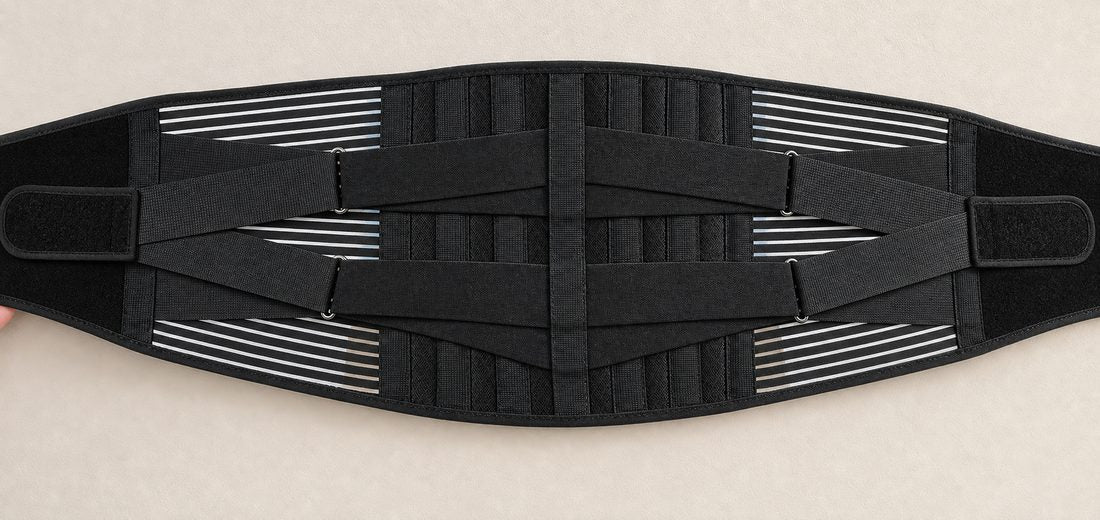
Four Flexible Vertical Stays
Structure through the rear lumbar panel — real support, not just a tight belt. Most cheap braces don't have them.
Set the Fit in Two Stages
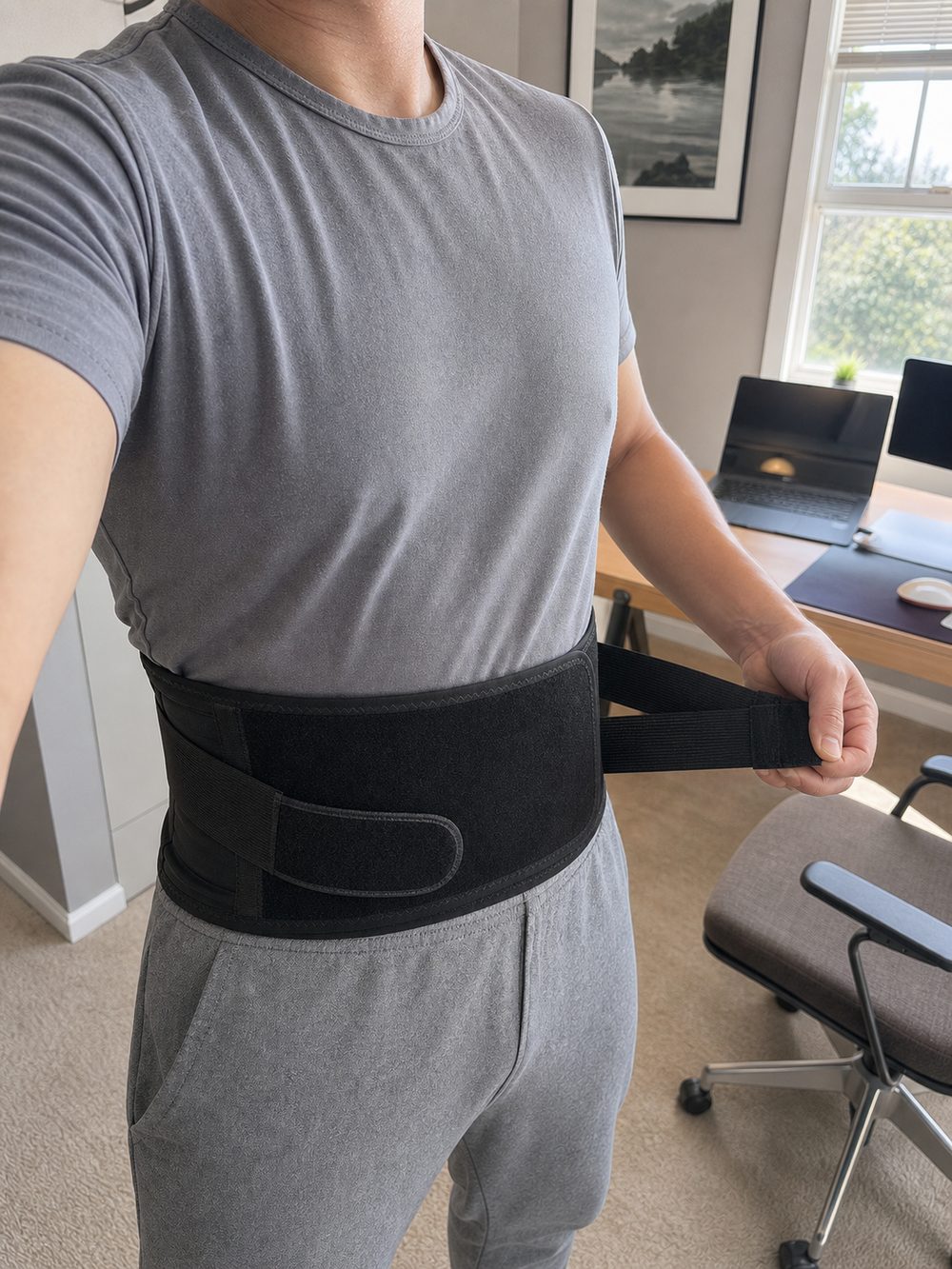
Fasten the primary belt for a secure fit, then pull the side tension straps to add exactly the compression you need.
Adjust as Your Day Changes
Lighter while you sit or drive, firmer before a demanding task. Change the support instead of putting up with one fixed setting.
Support Without Stiffness
Flexible construction moves with you through normal daily activity — it supports your lower back without locking you in place.
Is It Right for You?
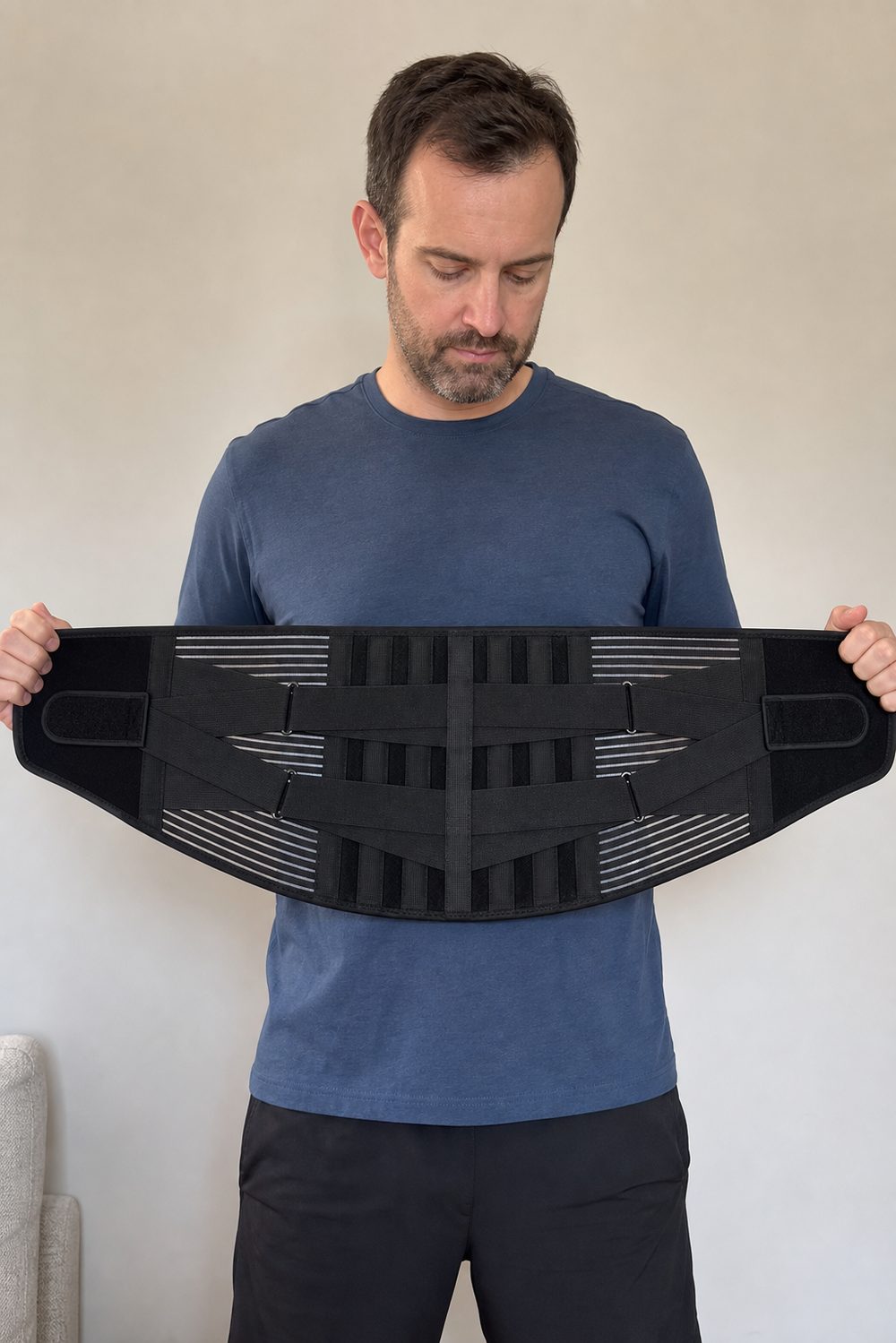
✓ Great if you:
- Sit, drive or lift for long stretches
- Want more than a stretchy elastic belt
- Find rigid braces too restrictive
- Measure 60–170 cm at the waist
✗ Not for you if you:
- Need rigid post-surgery immobilisation
- Have severe, unexplained or worsening pain
- Have new leg weakness or numbness — see a doctor first
- Were told to avoid waist compression
A brace supports your back — it doesn't diagnose or cure it. Persistent pain? See your GP or physio.
On in Seconds. Adjusted in One Pull.
Wrap & Centre
Centre the panel on your lower back at navel height, then fasten the main belt snug.
Pull the Side Straps
Draw both tension straps forward until the support feels right — firm, never pinching.
Adjust Through the Day
Lighter for sitting, firmer for lifting. One pull changes it — no taking it off.
Frequently Asked Questions
We're a Customer-First brand. If your question isn't here, reach out and our team will get back to you.
Can I sit or drive while wearing the brace?+
Yes, provided the brace stays comfortable and does not interfere with normal movement or safe control of the vehicle. A lighter tension setting is often more comfortable while seated.
The brace does not replace a seatbelt, and your seatbelt should still sit in its normal safe position. During long periods of sitting or driving, take your usual movement breaks rather than relying on the brace to make prolonged sitting problem-free.
How tight should it be?+
Snug enough to stay in place and provide support, but not so tight that it restricts breathing or causes pinching, numbness, tingling or increased pain.
Fasten the primary belt first, then add the secondary tension gradually. You should still be able to sit, stand and breathe normally. Maximum tension is not necessarily the most useful setting.
What should I do if I'm between sizes?+
Choose the larger size. It gives more fastening room and makes it easier to adjust the compression comfortably.
Always select your size using a measurement taken around your navel. Do not rely only on your usual trouser or clothing size.
Will the brace ride up or roll while I move?+
Any wraparound brace can shift if it is positioned incorrectly, fitted too loosely or is the wrong size. Place this brace at navel height, centre the rear panel across your lower back, and make sure the primary belt is snug before adding secondary tension.
Body shape and clothing also affect fit, so no brace can be guaranteed never to move. If it repeatedly rides up, recheck your measurement and positioning rather than simply pulling it tighter.
Will wearing a back brace make me dependent on it?+
A brace provides external support; it does not strengthen your back for you. Using one occasionally or through a demanding workday does not mean you must keep wearing it indefinitely, but ongoing reliance should not be the goal.
Continue normal movement and any exercise or rehabilitation recommended by your health professional. If you feel unable to work or move comfortably without the brace, speak with a GP or physiotherapist about the underlying problem.
How do I wash it?+
Fasten the straps before washing so the hook-and-loop closures do not catch on the fabric. Hand wash in cool water with a mild detergent, then air dry away from direct heat. Do not bleach, wring or tumble dry.
When should I not use the brace?+
Do not wear it while sleeping, over broken or irritated skin, or if it causes numbness, tingling, restricted breathing, skin irritation or increased pain.
Ask a health professional before use if you are pregnant, have recently had abdominal or spinal surgery, have a diagnosed spinal condition, or have been advised to restrict compression around your abdomen.
A brace is not appropriate self-treatment for severe or unexplained symptoms. Seek urgent medical care if back pain comes with new leg weakness or numbness, numbness around the groin, or changes to bladder or bowel control.
Can this brace help with sciatica symptoms?+
The brace provides adjustable support around the lumbar area, but it does not treat nerve compression or the underlying cause of sciatica. Symptoms described as sciatica can have different causes and do not respond the same way in every person.
If pain travels into your buttock or leg — or comes with numbness, tingling or weakness — speak with a health professional. New weakness, significant numbness, groin numbness or changes to bladder or bowel control require urgent assessment.
Aussies Relieving Back Pain Daily